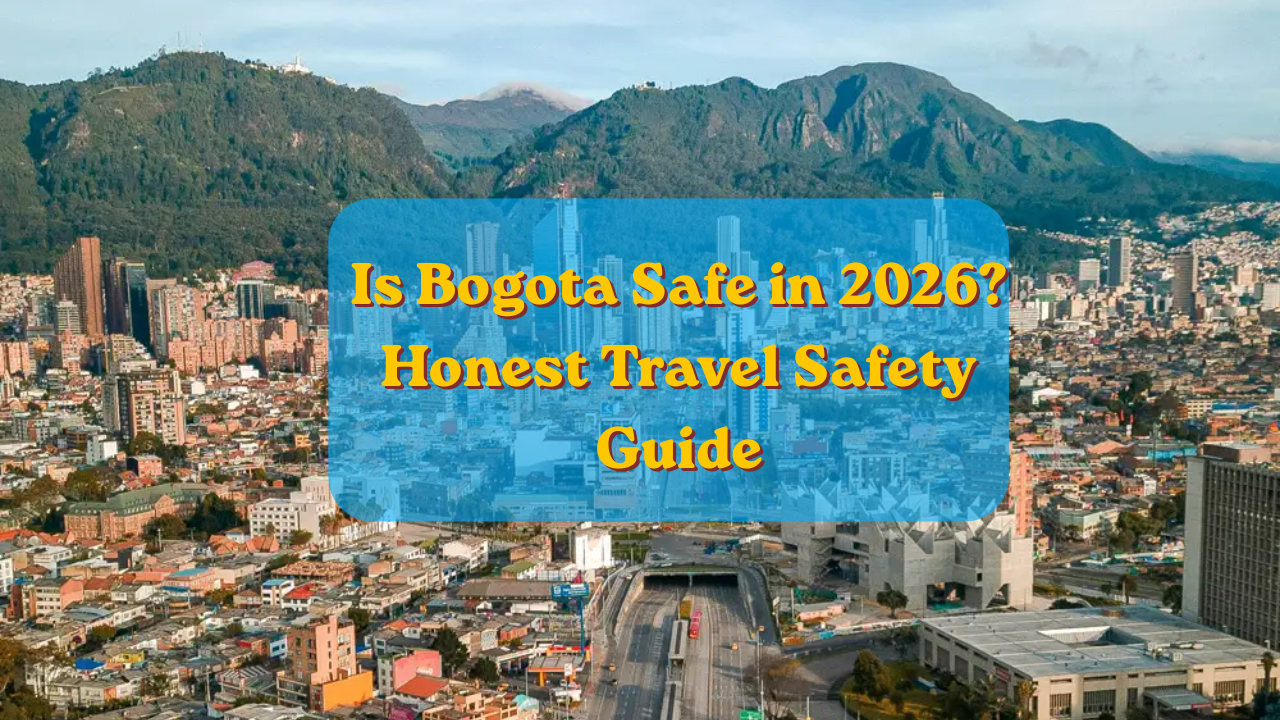
Before visiting Colombia, most travelers search one thing first — is bogota safe for tourists in 2026? The question appears everywhere because Bogotá still carries an old reputation online. Before arriving most people visualize the cartel violence, unsafe streets, and all-time danger. However, when visiting the city a bit longer, most of the visitors understand that Bogotá is not what they thought it would look like.
That does not imply that the city is totally safe. Bogotá is one of the largest Latin American capitals, full of bustling streets, high traffic, locations with nightlife, and neighborhoods which are significantly dissimilar with one another in terms of safety. Careless travelers can get into trouble in the most unimaginable ways, most of the time in connection with theft or attempts of deceit. Meanwhile, the tourists who are cognizant, act sensibly, and in the correct locations tend to love the city.
One of these things that most tourists can easily pick up concerns the fact that everyday life in Bogotá is normal. Cafes are busy throughout the afternoon, remote employees spend hundreds of hours working in coworking mobile properties, restaurants are full at night, and local residents take walks around the parks and malls without fear in safer areas. The city is vibrant and contemporary, with its northern neighborhoods where the majority of tourists are.
This is a guide that expounds the actual state of affairs. You will not need to be afraid of the destination or read about a destination being safe when you travel; or be overly overly positive in marketing to the destination; the actual experiences of people in Bogotá and how they move about, what they do wrong, and what behavioral patterns are beneficial to visitors are what you will learn.
Is Bogota Safe?
The truthful response is fair. Bogotá is not as unsafe as a first-time visitor may think, yet it needs the awareness. Tourists who anticipate spending a flawlessly relaxing European-like city feel overwhelmed within the first few days of their stay in Bogotà because the city of Bogotá is administrative. The traffic is quite overwhelming, streets are active, weather can change abruptly, the locals are generally alert when out in the streets.
Meanwhile, visitors coming with a sense of imminent danger are more likely to be shocked by the level of development of most places.
The first thing that one can notice on the first glance is the apparent security presence in safer areas. Hotels, apartment buildings, malls, banks and restaurants have security guards at the entrance. There are also police in sight in tourist-prone areas in particular around business areas.
Violent crime is not the biggest concern of most tourists. This is distraction theft. Crowded locations and phones, wallets, jewelry, and bags are notorious in terms of attraction. Passengers who display costly phones near the roadways or are engrossed in their phones when inside a transport mode are easier markers.
People living there will not even walk around with their phones in their hands. Observations of local behavior are an informative lesson to the viewers on how to navigate safely within the city.
What Tourists Usually Face in Bogotá?
| Situation | Actual Risk | What Travelers Normally Experience |
| Pickpocketing | Moderate | Common in crowds and transport |
| Violent crime in tourist areas | Lower | Less common than people assume |
| Taxi scams | Moderate | Mostly avoidable with apps |
| Night walking risks | Moderate | Depends heavily on neighborhood |
| Tourist targeting | Moderate | Mostly toward distracted visitors |
The city rewards travelers who move confidently without appearing careless.
What Makes Bogotá Different From Other South American Cities?
Prior to traveling, most tourists anticipate that Bogotá would be like other Colombia coastal cities such as Cartagena or the warm climate and nightlife culture of Medellin. The reality is that, Bogotia possesses a different personality altogether. The metropolis is closer to a fast paced cultural and corporate metropolis than a traditional tropical holiday destinations.
Among the details that are noticed by travelers at a glance is the atmosphere. Bogotá is at an elevation on the Andes mountains, and thus the climate is cool during the greater part of the year. The weather is usually unpredictable with rain just coming in the afternoon, afternoons are usually cold, and the mountainous background of the city gives it a dramatic urban ambiance that unexpectedly surprises the first-time visitors.
Bogotá is also very big. The city is extended over large urban areas with various social and economical areas that could seem totally different in their neighborhoods. There are those that are modern and up-scale with luxury apartments, rooftop restaurants, and coworking and those that are so local and traditional.
Bogotá is not a tourist city but rather a working city, unlike other cities that are highly tourist based. That alters the experience of traveling altogether. Travelers see:
- office employees populating cafés at the morning.
- students who transfer between university districts.
- locals that take crowded public transport in their daily lives.
- musicians playing in cultural quarters.
- vendors selling food on the full sidewalks.
This is what makes the city look more natural and less commercialized as compared to many other places that attract tourists.
Quick Facts About Bogotá
| Detail | Information |
| Country | Colombia |
| Elevation | Around 8,660 feet above sea level |
| Population | Over 7 million |
| Climate | Cool mountain climate |
| Best Known For | Culture, museums, nightlife, cafés |
| Popular With | Digital nomads, solo travelers, backpackers |
The question many people often pose is bogota safe, only to understand there is so much more to the city than safety issues. Bogotá is noteworthy due to its vigor, culture, mountainous landscape, and the realistic life of daily life that is so foreign to those used to resort areas.
Why Bogotá Still Has a Dangerous Reputation?
The city of Bogotá still has a lot of reputation to bear since most individuals still relate Colombia to drug violence in the 1980s and 1990s. In films, documentaries, and TV series, an image of the world was formed which to this day influences tourism. The truth within contemporary Bogotá is all the more complex.
There has been a boom in tourism in the past ten years. Spending weeks or months in the city are people who are remote workers, backpackers, couples, and even solo travelers. Bogotá has similarly emerged as an important business harbor of South America, which implies that international visitors come in everyday to attend conferences, visit on work trips and have long term residencies.
Nevertheless, the city has not yet been polished and turned into a tourist-perfect place. That is one of the reasons why Bogotá is so authentic over other places that are more commercialized.
Most of the travelers characterize Bogotá as:
- energetic
- creative
- chaotic
- cultural
- unpredictable
- rewarding
The city is animated yet requires visitors to be vigilant.
What Travelers Notice During Their First Days in Bogotá?
Culture shock is a major event that many tourists go through within their first 24 hours. High mountains, aggressive traffic, altering weather, and the city is even bigger than the photos on the internet are making Bogotá a place worth feeling the city energy first hand. The altitude is one of the things that travelers tend to overlook.
Visitors can get tired sooner than they had imagined even as they walk uphill during the first day. Others develop headaches or breathlessness on arriving, particularly those which fly into destinations at sea level.
The second observable aspect the visitors show is how people carry themselves around their possessions. Majority of the residents do not walk around with phones on cafes tables and flaunt costly cameras on busy streets. Noting these traditions, the traveler grasps the local pace of life fast.
Surprisingly, after two or three days many a tourist starts to feel so much more at home as they are learning:
- what streets are not busy.
- where tourists gather
- how transportation works
- where are the safest places in the dark?
Trust is quick to build when you feel at home in the city.
Safest Areas Tourists Usually Choose
The place that you stay totally transforms your Bogotá experience. The Northern districts mostly appear safer and cleaner, as well as more welcoming of tourism, as compared to the south. Majority of the international visitors spend almost the entire day in these north regions.
Zona Rosa and Zona T Feel the Most International
Zona Rosa remains one of the easiest areas for first-time travelers because it feels modern and active almost all day.
The district has:
- shopping malls
- upscale restaurants
- nightlife
- hotels
- cafés
- security presence
The streets are still filled with people (locals, tourists, workers) who are going to the bars and restaurants at night. The said activity helps in establishing a safer environment than the less active areas of the city.
Bogotá On one side, many visitors refer to Zona Rosa as the area in Bogotá that seems to be closest to an international business district of any modern city.
Chapinero is More Local and Creative
The Chapinero is now one of the most frequented digital nomad destinations and younger tourist destinations. The neighborhood is a blend of local culture cafes, coworkings, bars, apartments, and restaurants.
A feature that people can easily observe in Chapinero is the distinctiveness of every street. The difference between some of them is upscale and modern and others seem to be in a more chaotic and local state only a few blocks away.
During the daytime and the first few hours of nighttime, refugees typically feel safe in the areas of high activity, particularly as it gets busier.
Usaquén Feels More Relaxed
Usaquen is also appealing to those travelers, who enjoy more peaceful environments. Long-term visitors and families tend to spend their time here due to the calmer environment there than in those busy with nightlife.
The neighborhood is more residential with the presence of weekend markets, cafes, and parks. According to many visitors, Usaquen is not as stressful as central Bogot ia.
La Candelaria Feels Beautiful but Requires More Awareness
La Candelaria is their place of museums, colonial architecture, churches, street art, and historic plazas. The district is full of tourists, students, guides, artists, and photographers throughout the daytime. The neighbourhood is vibrant and cultural. But at night the air is rapidly more chilly in the less active streets.
A common tourist error is that in the daytime the area appears busy and therefore they assume that it is equally safe at night. It after sunset makes many locally bolder.
Areas Travelers Usually Avoid
Most tourists never need to enter Bogotá’s higher-risk southern districts.
Problems become more likely when travelers:
- wander into unfamiliar areas late at night
- follow strangers
- search for illegal activities
- walk distracted with expensive items visible
Even inside safer neighborhoods, isolated streets can feel uncomfortable after midnight.
One important thing travelers learn quickly is that Bogotá changes significantly depending on:
- time of day
- street activity
- weather
- neighborhood
A busy avenue at 6 PM can feel completely different at 1 AM.
Is Bogota Safe for Solo Female Travelers?
Numerous independent female tourists come to Bogotá successfully annually, particularly when they have accommodations in less dangerous areas in the north.
When left alone, women will complain that the city is so daunting at first look but they eventually grow to know it after a few days. The key difference is behavior.
Women who:
- use ride apps
- avoid isolated walking routes
- stay in secure accommodations
- avoid excessive intoxication
usually report positive experiences.
Many solo travelers prefer:
- Chapinero
- Usaquén
- Zona Rosa
because these areas remain active and populated throughout the day.
One thing several female travelers mention is that confidence matters. Tourists who appear calm and aware generally attract less unwanted attention compared to visitors who look visibly lost or distracted.
Transportation Safety Changes the Entire Experience
Transportation choices strongly affect how safe travelers feel in Bogotá.
Why Most Tourists Use Uber?
Many travelers quickly stop using street taxis after hearing stories about overcharging or route manipulation.
Uber and ride apps feel easier because:
- prices stay visible
- drivers are trackable
- destinations work through GPS
- language barriers become less stressful
Late at night, most tourists strongly prefer ride apps instead of walking long distances.
Public Transportation Feels Crowded
Bogotá’s TransMilenio system moves huge numbers of people daily. Travelers can absolutely use it, but crowded conditions create opportunities for pickpocketing.
One thing visitors notice quickly is how packed stations become during rush hours.
Tourists using public transport safely usually:
- keep backpacks in front
- avoid using phones openly
- carry limited valuables
- stay alert entering and exiting stations
The system itself is useful, but crowded conditions require attention.
What Nightlife Actually Feels Like in Bogotá
Most travelers are surprised at the nightlife in Bogotá as it is much livelier than they imagine. The evening night life of bars, clubs, rooftop lounges, cocktail bars, and live music clubs remain open late into the night, particularly in:
- Zona Rosa
- Chapinero
- Parque 93
The biggest nightlife problems usually happen when tourists:
- become heavily intoxicated
- separate from friends
- accept drinks from strangers
- walk home alone late at night
One thing experienced travelers often mention is that Bogotá nightlife feels safest when people move in groups.
Using Uber directly from the venue instead of wandering nearby streets usually reduces risk significantly.
The Scams Tourists Most Commonly Experience
The majority of tourist problems in Bogotá involve opportunistic theft rather than organized crime.
Common Tourist Situations
| Situation | What Usually Happens | Smart Response |
| Phone snatching | Theft from motorcycles or sidewalks | Keep phone hidden near roads |
| Distraction theft | Someone distracts while another steals | Stay aware in crowds |
| Fake taxi overcharging | Inflated pricing for tourists | Use apps instead |
| ATM distraction | Someone watches PIN or confuses tourist | Use indoor ATMs |
One thing travelers often notice is how fast thieves move in busy areas. A phone visible for only a few seconds near traffic can become an easy target.
The Altitude Feels More Real Than Many Expect
Bogotá sits around 8,660 feet above sea level, and many travelers underestimate how much that affects the body.
Visitors commonly experience:
- fatigue
- headaches
- shortness of breath
- dehydration
especially during the first day.
One thing tourists often notice is how quickly walking uphill becomes tiring after arriving from lower elevations.
Habits That Help Travelers Adjust Faster
| Helpful Habit | Why It Matters |
| Drink extra water | Altitude increases dehydration |
| Avoid alcohol first night | Reduces dizziness |
| Sleep properly | Helps the body adjust |
| Eat lighter meals | Easier digestion at altitude |
| Avoid intense workouts immediately | Prevents exhaustion |
Most travelers feel normal within one or two days.
Why Many Digital Nomads End Up Staying Longer?
Bogotá has quietly become a major digital nomad destination in Latin America. Remote workers often arrive planning short stays and later extend because the city offers:
- affordable apartments
- café culture
- coworking spaces
- strong internet
- modern neighborhoods
- cooler climate
Many nomads describe Bogotá as a city that grows on people slowly rather than impressing immediately.
Unlike beach destinations where tourists stay mostly inside resort zones, Bogotá feels more connected to everyday Colombian life.
Practical Safety Habits That Matter Most
The travelers who usually enjoy Bogotá the most are not fearless tourists. They are simply people who remain aware without becoming paranoid.
Habits That Make the Biggest Difference
- Keep phones hidden near roads
- Avoid empty streets late at night
- Use Uber after nightlife hours
- Carry limited cash
- Avoid flashy jewelry
- Stay in safer districts
- Watch local behavior
One thing experienced travelers learn quickly is that blending into the city matters more than acting overly confident.
Why Travelers End Up Loving Bogotá Anyway?
Despite the warnings online, many tourists leave Bogotá pleasantly surprised.
The city offers something many heavily commercial tourist destinations no longer provide — authenticity.
People remember:
- mountain views over the city
- rainy café afternoons
- local bakeries
- colorful neighborhoods
- museum visits
- late-night conversations
- live music
- energetic streets
Bogotá may not feel effortless at first, but many travelers end up appreciating the city precisely because it feels real.
Final Thoughts on Is Bogota Safe
So, is Bogota safe for travelers in 2026? Yes — for most tourists who travel responsibly, Bogotá is a manageable and rewarding destination. The city is not free from crime, and visitors should absolutely stay aware of theft risks, especially in crowded or isolated areas. However, the reality of modern Bogotá feels far more balanced than the extreme reputation many people still imagine before arriving.
Travelers who choose safer neighborhoods, use trusted transportation, avoid careless behavior, and stay aware of their surroundings usually enjoy the city without serious problems.
Bogotá rewards curious travelers with culture, nightlife, history, mountain scenery, local food, and a version of Colombia that feels energetic, creative, and deeply authentic.
Read More Blogs: